RBA Recap
- The RBA lifted the cash rate by 25bp to 4.35%, responding to an inflation backdrop that had already deteriorated before the recent escalation in Middle East tensions. Persistent domestic price pressures, resilient demand and limited spare capacity remained key concerns for policymakers.
- While the decision itself was hawkish, the broader tone from Governor Michele Bullock was more balanced. The Board increasingly appears to believe policy is now restrictive, creating greater flexibility as the balance between inflation and slowing growth evolves.
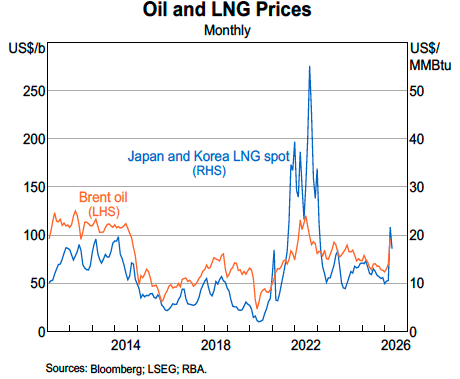
- The May meeting highlighted the difficult trade-off facing policymakers. Higher energy prices risk reinforcing inflation pressures while also weighing on household purchasing power and broader economic activity.
The Australian Economy
- Inflation pressures remained elevated over the period, reinforcing the RBA’s cautious stance. March headline CPI accelerated to 4.6% y/y, while trimmed mean inflation held at 3.3% y/y, highlighting that underlying price pressures remain persistent and well above target.
- Labour market conditions continued to reflect limited spare capacity across the economy. While unemployment edged higher to 4.3%, employment growth remained resilient and participation stayed elevated, suggesting labour demand is easing only gradually.
- Activity indicators continued to show resilience despite increasingly restrictive financial conditions. Household spending, credit growth and housing activity remained firm, although weaker consumer and business sentiment suggests downside risks to growth are beginning to emerge beneath the surface.
Please click here to download the Curve Insights
