RBA Recap
- The RBA lifted the cash rate by 25bp to 4.10%, pushing policy further into restrictive territory. The move came against a backdrop of rising geopolitical risk, higher energy prices and an economy already operating close to its capacity limits.
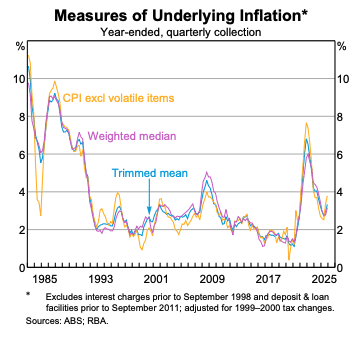
- Inflation pressures were already rebuilding domestically, well before the recent oil shock. Resilient demand, a tight labour market and weak productivity have left the economy’s supply side constrained, meaning even moderate demand growth is now generating renewed inflation risk.
- The Middle East conflict is best seen as an amplifier rather than the driver of inflation. Higher energy prices add to near-term price pressures, but the underlying issue remains excess demand – leaving the RBA balancing the risk of persistent inflation against the danger of tightening into a fragile growth backdrop.
The Australian Economy
- The run of data between meetings carried a clear message: the economy isn’t slowing as quickly as policymakers expected. Inflation indicators, labour outcomes and activity surveys all pointed to demand holding up and spare capacity remaining limited, leaving the RBA facing an economy still running close to its limits.
- Inflation is cooling only gradually, and the composition remains uncomfortable. Headline CPI has held around 3.7-3.8% y/y while underlying inflation remains sticky near 3.3-3.4%, with housing and services continuing to drive persistent domestic price pressure.
- The labour market and business surveys reinforced the same theme: capacity remains tight. Unemployment is still low around 4-4.3%, employment growth remains solid and capacity utilisation sits above its long-run average, suggesting demand is still strong enough to risk feeding into prices rather than easing inflation.
Please click here to download the Curve Insights
