RBA Recap
- The RBA lifted the cash rate by 25 basis points to 4.85% in November, its fifth increase this year. Unlike the earlier decisions in the cycle, it was not unanimous: three of nine members preferred to hold as the Board weighed a materially worse inflation outlook against growing signs of economic weakness.
- The updated Statement on Monetary Policy painted a bleak picture. Inflation is not expected to return to the midpoint of the target range until mid-2028, and growth is forecast in the lowto- mid 1% range. Governor Bullock stressed that the increase targets domestic capacity pressures rather than the direct impact of higher oil prices.
- The statement dropped its explicit tightening bias and Bullock signalled it was time to “take stock”. Markets increasingly see the peak in the cash rate as behind us, raising the question of whether the Board would be better served letting the medicine already administered take effect.
The Australian Economy
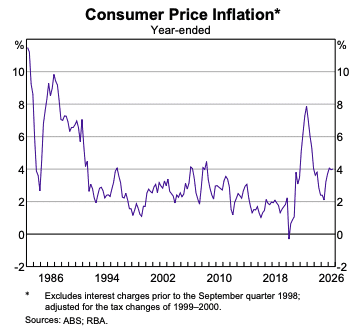
- Inflation moved in the wrong direction over the period. Headline CPI lifted to 4.3% in September as fuel prices surged, while the trimmed mean rose 1.0% over the quarter and household inflation expectations climbed to 5.3%, pointing to domestic price pressures that extend well beyond fuel.
- The broader economy, by contrast, cooled unevenly. Dwelling values fell for a sixth straight month, consumer sentiment hit a six-month low and unemployment rose to 4.7%, even as full-time employment, job ads and credit growth held up better than the headlines suggest.
- With business confidence at its lowest since May and the final releases ahead of the meeting pointing to further falls in housing and a contracting PMI, the data describes an economy that is slowing but not stalling, and where the cost of tighter policy is already being paid.
Please click here to download the Curve Insights
